


How to Build a Home Coffee Setup for Under 200 Dollars (That Actually Makes Great Coffee)
If you have been making do with whatever coffee the nearest gas station has to offer, or if you have...
read more
Jun
There’s something about that first cup of coffee on a mountain trail, at a campsite, or even on a long road trip that just hits different. The air is crisp, the view is endless, and suddenly that instant packet coffee you grabbed at the gas station feels like a crime against your taste buds.
Here’s the good news: making specialty-grade coffee outdoors is way easier than most people think. You don’t need a full espresso machine or a counter full of gadgets. With the right gear and a few simple techniques, you can brew coffee that rivals your favorite caf? ??right from your backpack.
In this guide, I’ll walk you through everything you need to know about outdoor coffee brewing, from gear essentials to technique tips that actually work in the field.
After years of testing different setups ??from bulky French presses to fragile glass drippers ??I’ve landed on a combination that’s lightweight, durable, and produces consistently great coffee. Three items, one incredible cup.
If there’s one rule in coffee that you should never break, it’s this: grind your beans right before brewing. Pre-ground coffee loses its peak flavor within 30 minutes of grinding. That’s why a portable grinder is non-negotiable.
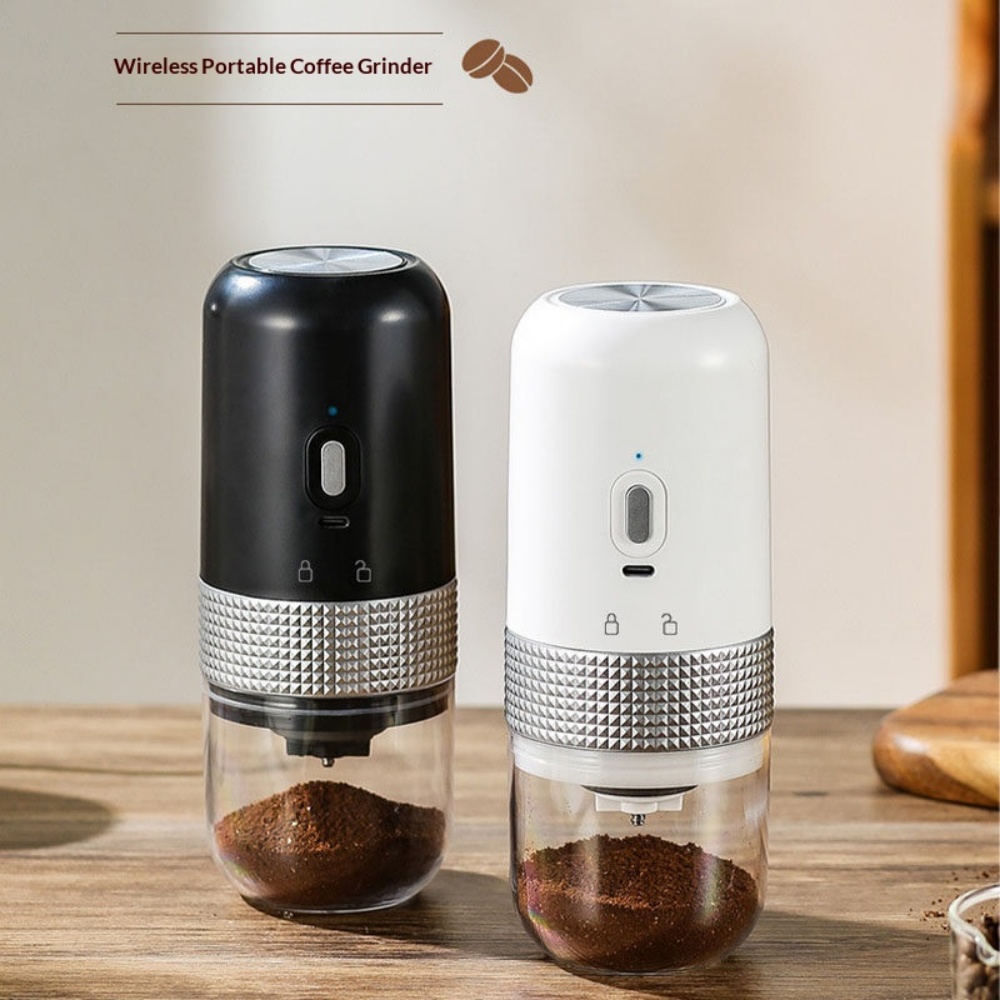
The Wireless Coffee Grinder is a game-changer for outdoor brewing. It’s fully rechargeable, so you don’t need to hunt for outlets or pack extra batteries. The adjustable grind settings let you dial in the coarseness for pour-over, French press, or whatever brew method you’re using that day. One button, freshly ground beans, done.
At just , it’s honestly one of the best value purchases you can make for your coffee setup. I’ve used mine on week-long camping trips without needing a recharge.
Once your beans are ground, you need a way to brew. Pour-over is the ideal outdoor method ??it’s clean, lightweight, and gives you incredible control over extraction.
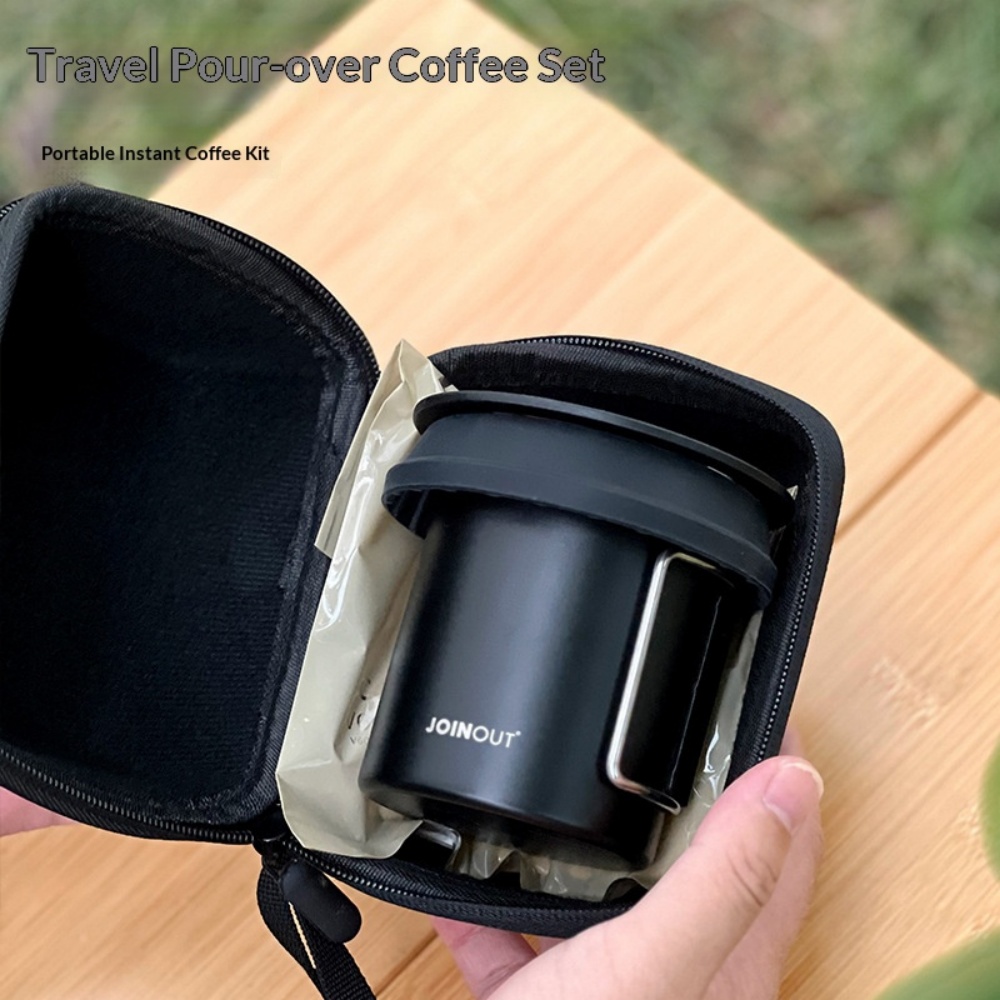
The Travel Pour-Over Coffee Set includes a stainless steel dripper and cup that nest together for compact packing. No paper filters needed ??the built-in stainless steel filter lets the natural coffee oils through for a richer cup, and you never run out of filters in the middle of nowhere.
What I love about this set is the car-compatible holder. Yes, you can literally make pour-over coffee at a rest stop using your car as a stand. Road trip coffee just got a serious upgrade.
You’ve ground the beans. You’ve brewed the coffee. Now ??where are you going to drink it? A standard mug won’t cut it outdoors. Wind cools your coffee fast, and a hot metal cup is a quick way to burn your palms.
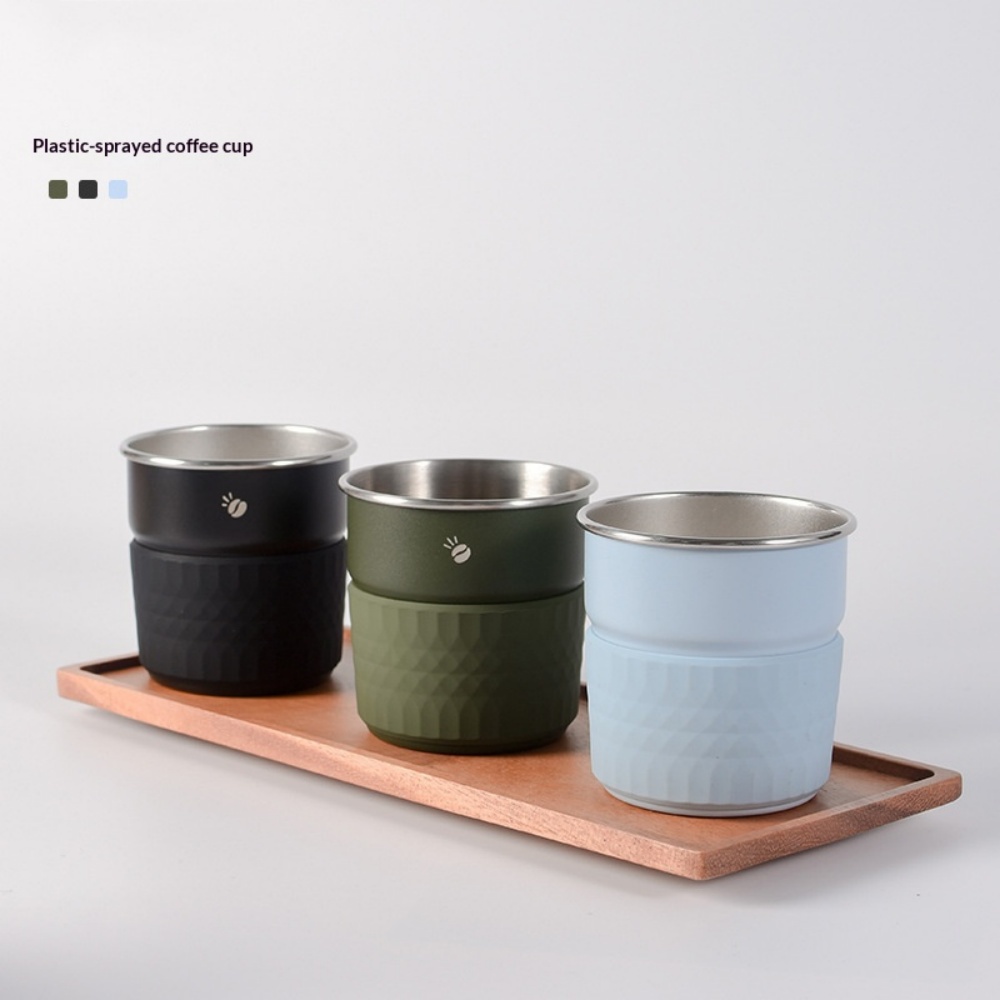
The Insulated Coffee Cup solves both problems. The double-wall design keeps coffee hot for hours while staying cool to the touch on the outside. The textured spray surface gives you a solid grip even with wet or gloved hands. And at just , it’s the kind of practical upgrade you’ll use every single day ??not just on trips.
Available in Black, Blue, and Green. I went with Green because it disappears into the forest. Your call.
Now that you’ve got the gear, here’s exactly how to use it.
Use a portable kettle or heat water over your camp stove. Aim for about 200?F (93?C) ??if you don’t have a thermometer, just bring water to a boil and let it sit for 30 seconds. Boiling water scorches coffee; slightly off-boil is the sweet spot.
For pour-over, you want a medium-coarse grind ??think sea salt consistency. With the Wireless Coffee Grinder, set it to the medium mark. A general ratio: 20g of coffee for every 300ml of water.
Place your dripper on your cup, add the ground coffee, and pour just enough water to wet all the grounds (about 40-50ml). Wait 30 seconds. You’ll see the coffee bubble and expand ??that’s the bloom, releasing CO2. Skipping this step is the #1 mistake people make with pour-over.
Starting from the center, pour in slow, concentric circles moving outward, then back in. Keep the water level consistent ??don’t let it get too high or too low. Total brew time should be around 3 minutes for a single cup.
Remove the dripper, take a moment to appreciate what you just made in the middle of nowhere, and sip from your insulated cup while the view does the rest.
Here’s the full outdoor coffee kit with current pricing:
Total: for a complete outdoor coffee setup that will last for years. That’s less than what most people spend on coffee shop visits in a single month.
Absolutely. The technique is the same whether you’re in a kitchen or a campsite ??fresh beans, proper grind, good water, and controlled pouring. The only difference is your backdrop, and arguably, that’s better outdoors.
On a full charge, the Wireless Coffee Grinder can handle about 30 grinds, which covers a week of daily brewing. For longer trips, a small power bank will recharge it in under an hour.
They produce different cups. Paper filters trap oils and fines, giving you a cleaner, brighter cup. Stainless steel filters let oils through, resulting in a fuller-bodied, richer coffee. For outdoor use, stainless is the clear winner ??no filters to pack, no waste, and you never run out.
Yes ??the dripper sits directly on most standard mugs and cups. The car holder is a bonus for road trips, but the set works perfectly on any stable surface, including a flat rock at your campsite.
Medium roast is the most versatile for outdoor brewing. It’s forgiving with water temperature variations, has enough body to taste great through a metal filter, and the flavor profile shines even if your technique isn’t perfect. Save the light roasts for your home setup.
Yes, but hand washing is recommended to preserve the textured coating over time. In the field, a simple rinse with warm water is plenty.
Outdoor coffee doesn’t have to be a compromise. With a grinder that goes anywhere, a dripper that works everywhere, and a cup that keeps your coffee hot and your hands safe, you’re set up for some of the best coffee experiences of your life.
The mountains, the beach, the campsite ??wherever your next adventure takes you, great coffee can come along. And honestly? It tastes better out there.