

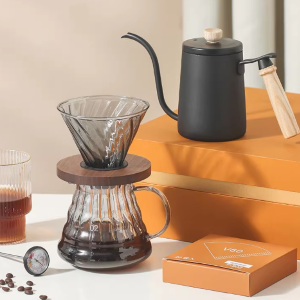

How to Build a Home Coffee Setup for Under 200 Dollars (That Actually Makes Great Coffee)
If you have been making do with whatever coffee the nearest gas station has to offer, or if you have...
read more
Jun
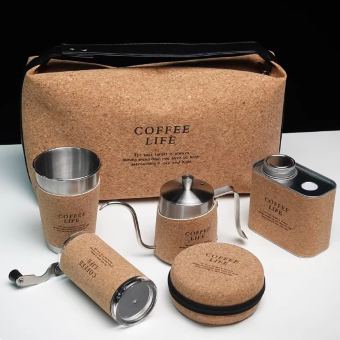
Two years ago, I dragged a French press through airport security, convinced I couldn't face a day without decent coffee. The TSA agent looked at me like I'd lost my mind. I've been perfecting my travel brew kit ever since鈥攁nd honestly, 2026 is the best year yet to be a coffee nomad.
Whether you're road-tripping through mountain towns, car-camping in the backcountry, or just refusing to pay $8 for a mediocre latte at your hotel, a solid travel coffee setup changes everything. You don't need to pack a kitchen. You need three things: a grinder, a kettle, and a dripper. Everything else is noise.
Let's be direct: hotel coffee makers are built for speed, not quality. They're basically cheap percolators running on a 20-minute delay, producing a bitter, over-extracted mess that tastes like wet cardboard. And pre-ground coffee? It's dead within 15 minutes of grinding. The aromatics that make coffee worth drinking evaporate almost immediately once you break the bean.
The solution isn't a fancy portable espresso machine or a complicated setup. The best travel coffee gear is gear that actually travels鈥攃ompact enough to fit in a daypack, durable enough to survive being thrown around, and simple enough that you can brew a proper cup with just hot water.
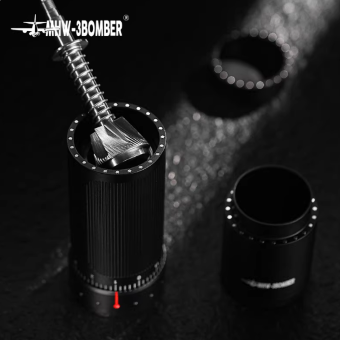
Most portable electric grinders make a sad compromise: they're small, but the grind is inconsistent. After testing dozens of travel grinders, the difference comes down to motor stabilization and burr design. You want a grinder that doesn't vibrate itself off the table and produces something closer to a uniform particle size than a lottery draw.
The Wireless Portable Coffee Grinder (SKU: WS2630, $25) uses a precision DC motor with a stabilized burr mount鈥攖he same engineering principle behind quality countertop units, just miniaturized. It fits in a travel bag without you having to Tetris your entire kit around it. Five adjustable grind settings cover everything from coarse (cold brew or French press style) to fine enough for a strong pour-over. The wireless design means one less cable to manage when you're working from a car or a campsite table.
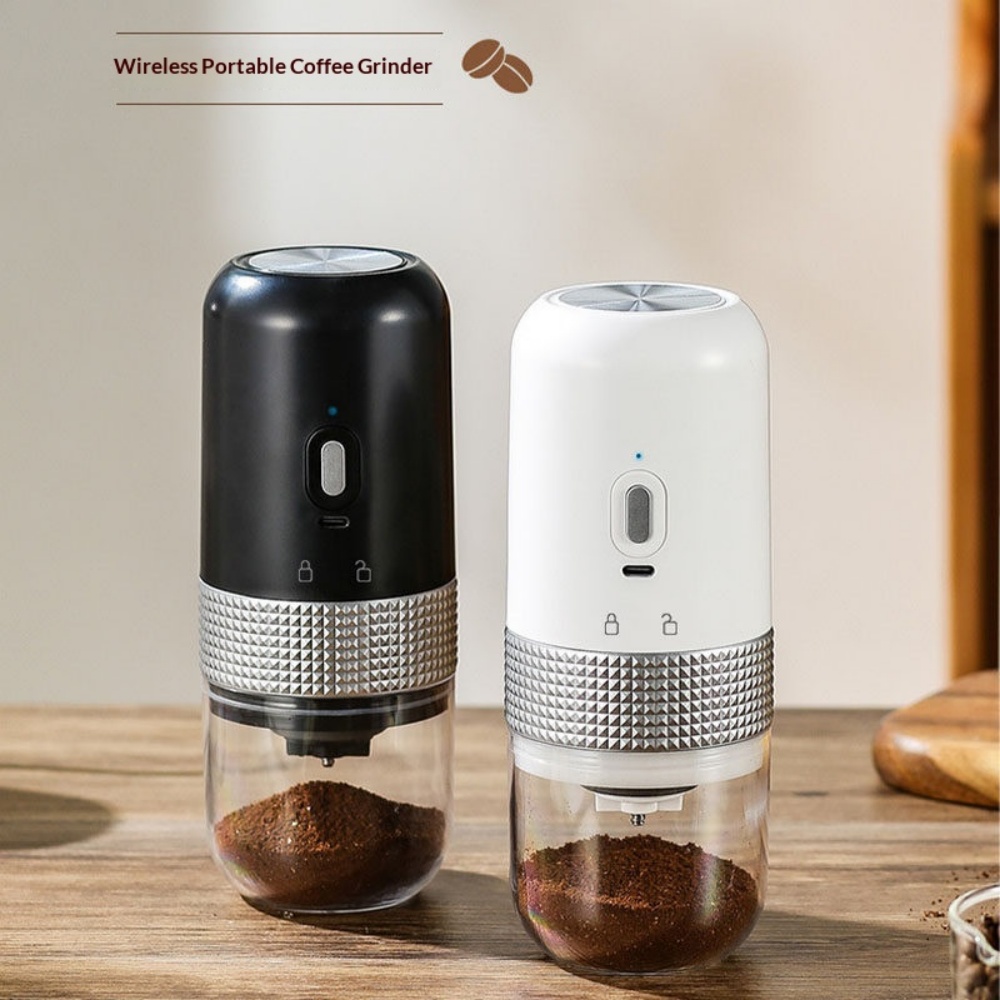
If you're doing multi-day trips, charge it the night before鈥攊t's not going to outlast a week without a power source, but neither are you.
Pour-over coffee is 80% about the pour. The speed and turbulence of your water stream directly controls extraction. A regular kitchen kettle with a wide spout gives you a waterfall; a gooseneck gives you a precision instrument.
The 304 Stainless Steel Gooseneck Kettle (SKU: WS6482, $41) holds 600ml鈥攅nough for two good cups鈥攁nd the fine-precision spout lets you pour in slow, controlled spirals that saturate the grounds evenly. The 304 stainless steel construction means it heats evenly, holds temperature well, and won't impart any metallic taste. It comes with a leather sleeve for the handle, which is a surprisingly thoughtful touch for a piece of gear that takes a lot of heat.
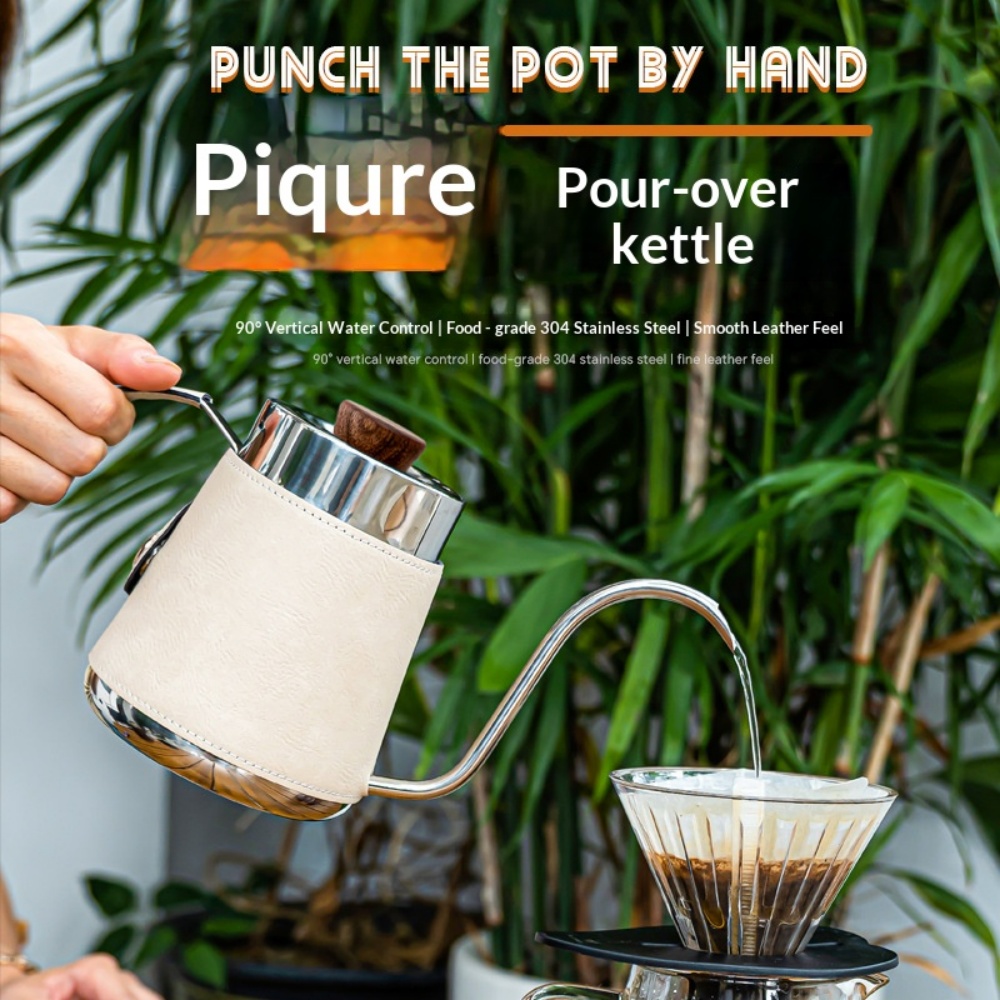
Pro tip: if you're driving, bring a small butane camp stove. Hotel rooms rarely have a compatible stove setup, but most gas stations carry small camping fuel canisters. The gooseneck + butane stove combo is lighter than most travel espresso setups and produces a better result for pour-over.
The travel dripper is where most people overcomplicate things. You don't need a Hario V60 and aKalita Wave for the road. What you need is something that holds a filter, drains evenly, and doesn't take up half your bag.
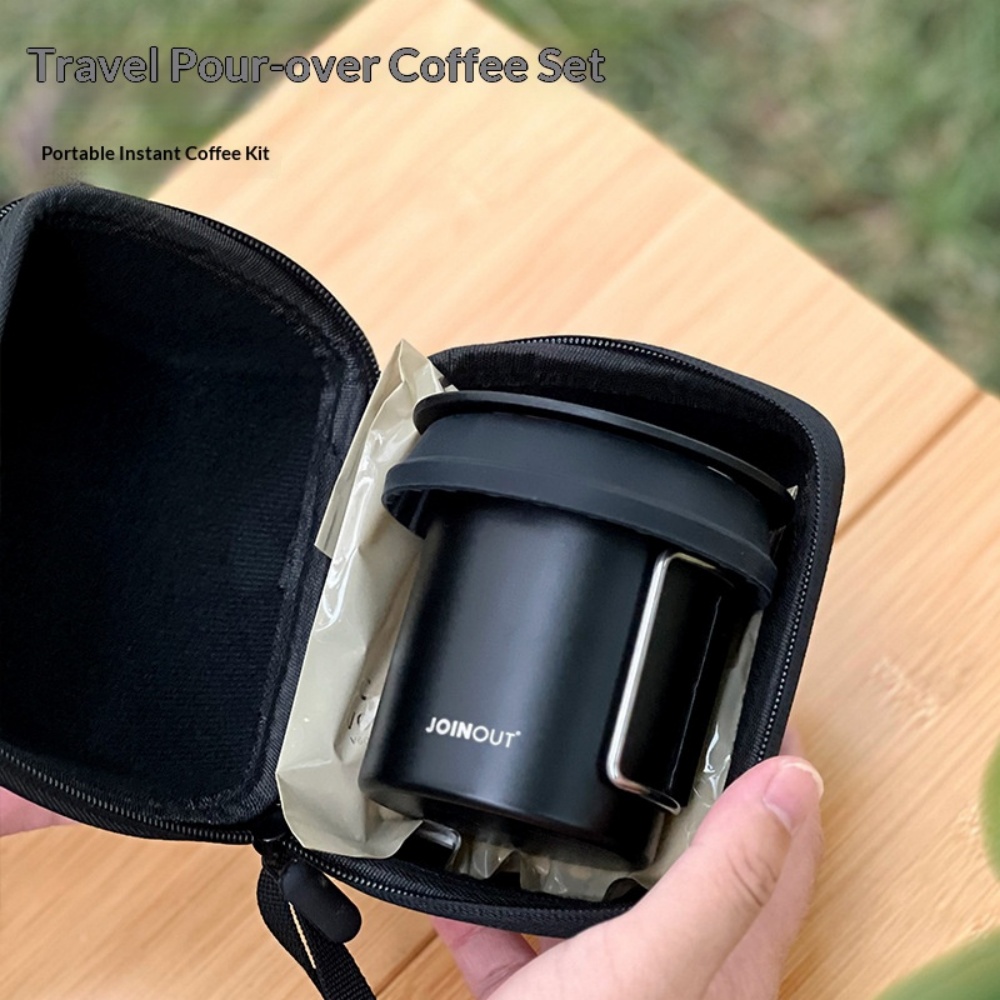
The Portable Travel Pour-Over Coffee Set (SKU: AW2650, $37) is designed exactly for this purpose. It includes a stainless steel dripper that works with standard paper filters or the included reusable mesh filter鈥攏o need to carry specialty filters on the road. The insulated travel cup keeps your brew hot for hours, which matters when you're not standing over a counter waiting for it to finish. All the components nest together. It's genuinely well thought out for actual travel use.
Here's what my routine looks like when I'm working remotely:
That process, start to finish, is about 5 minutes. It's not slower than waiting in line at a coffee shop, and the result is categorically better.
Bring whole beans, not ground. If you're traveling for more than a few days, consider a small airtight container鈥攖he aromatics degrade much slower when the beans are whole and stored properly. Local roasters in most cities will grind for you if you ask nicely, but you sacrifice a lot. If you have to pre-grind, use a vacuum-sealed bag and use it within 48 hours.
For cold brew travelers: pack the coarse grind and steep in the insulated cup overnight. Cold brew is actually easier to make on the road than hot brew鈥攜ou just need time, not temperature precision.
Here's the honest cost breakdown:
Total: roughly $103. That's less than six months of daily $8 lattes, and this kit lasts years with basic care. For that price, you could replace every hotel coffee you've ever suffered through and still have money left over for good beans.
Travel coffee doesn't have to be compromise coffee. The gear available in 2026 is genuinely good鈥攖hese aren't water-downed versions of home equipment, they're purpose-built for mobile brewing. The wireless grinder handles the fresh-grind problem. The gooseneck kettle solves the pour-control problem. The travel dripper solves the portability problem. Together, they eliminate every excuse for drinking bad coffee on the road.
Start with one piece if you're unsure鈥攖he grinder is the highest-impact first purchase, since it's the one thing you genuinely can't replicate on the road. Add the kettle next, then the dripper. By the time you've got all three, you'll have forgotten what bad hotel coffee tastes like. That's not a bad trade for $103.
Start with a good grinder and an insulated travel mug with a built-in filter. From there, add a gooseneck kettle for better pour control. You don't need all three pieces on day one鈥攁 quality grinder and any way to get hot water into fresh grounds will already beat 95% of what you'll encounter on the road.
Absolutely. The wireless grinder works perfectly as a daily home grinder if counter space is tight. The gooseneck kettle is genuinely excellent for home pour-over. The travel set's components work just as well on a kitchen counter as they do at a campsite.
Use a small brush to clean the burr area between uses. Avoid water on the motor housing. Most grinders come apart enough to do a basic clean in under a minute. For deeper cleaning, do it at home with a grinder cleaning tablet.
Yes. 600ml boils down to about 350鈥?00ml of brewed coffee after absorption and evaporation, which is roughly two standard servings. If you're brewing for more than two people, you'll need to do two batches, but that's normal even with much larger home kettles.
For pour-over: medium-fine (about table salt consistency). For cold brew: very coarse (like raw sugar). For French press: coarse. The grinder's five settings give you enough range to experiment. Start at medium and adjust based on taste鈥攆iner grinds extract faster, coarser grinds extract slower.