


Best Travel Coffee Gear 2026: Brew World-Class Coffee Anywhere
Two years ago, I dragged a French press through airport security, convinced I couldn't face a day without decent coffee....
read more
Jul
If you have been making do with whatever coffee the nearest gas station has to offer, or if you have been dropping serious money on cafe drinks every morning and wondering if there is a better way 鈥?here is the honest answer: there is, and you can get there for less than 200 dollars.
I am not talking about a cheap drip machine from a supermarket. I am talking about a setup that actually produces cafe-quality coffee, one you can use at home, in your office, or even on a road trip. The secret is not expensive espresso machines. It is precision, control, and consistency.
Before you spend money on a dozen accessories, know this: there are only three pieces of equipment that make a meaningful difference to your daily cup. Everything else is optional. These three are not:
Once you have these three, you can make better coffee than 90 percent of the coffee shops out there. Here is why each one matters.
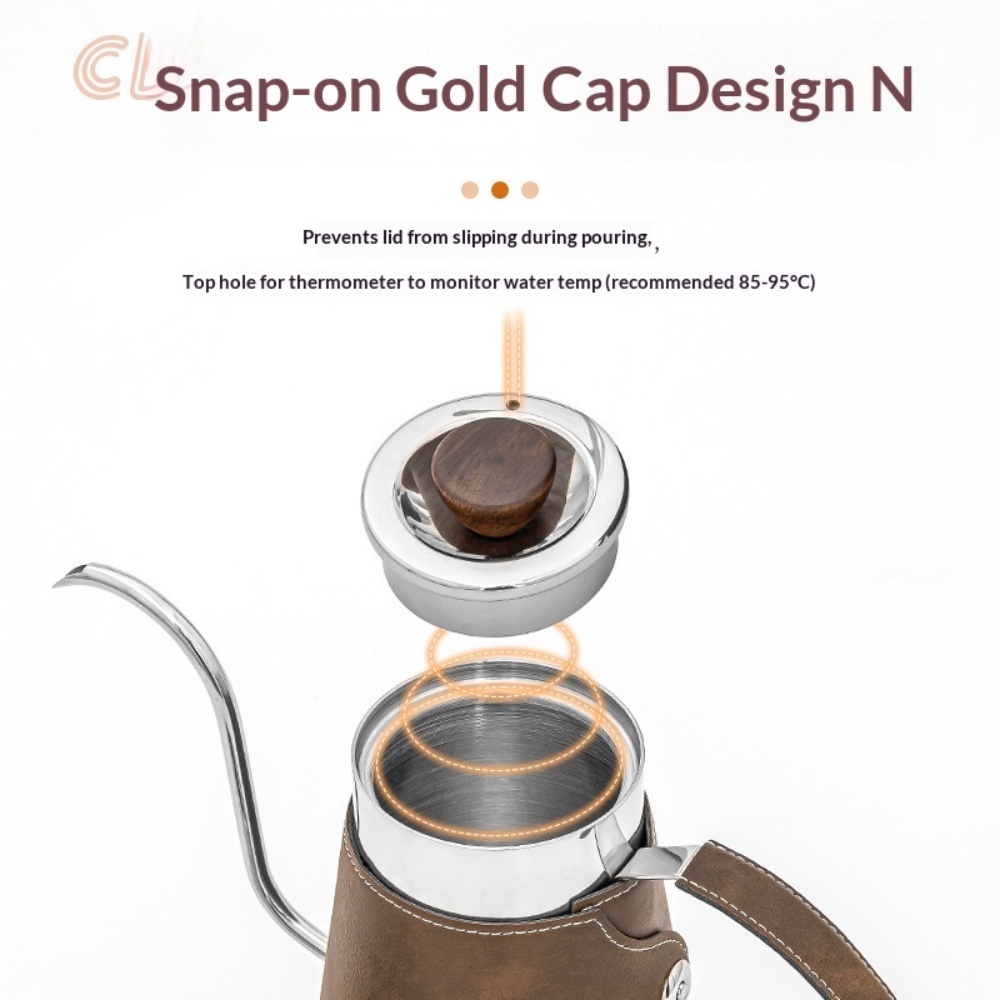
If you are making pour-over coffee 鈥?whether it is V60, Chemex, or Kalita 鈥?the single most underrated upgrade you can make is switching to a gooseneck kettle. A regular kettle pours water in an uncontrolled stream that agitates the grounds unevenly, leading to inconsistent extraction and bitter or sour notes.
A gooseneck kettle solves this by giving you complete control over the water flow. The narrow spout lets you pour in slow, steady circles exactly where you want the water. You can saturate the grounds evenly, control the bloom, and adjust your pour rate as the brew develops. It is the difference between a flat, muddy cup and one with clear, complex flavors.
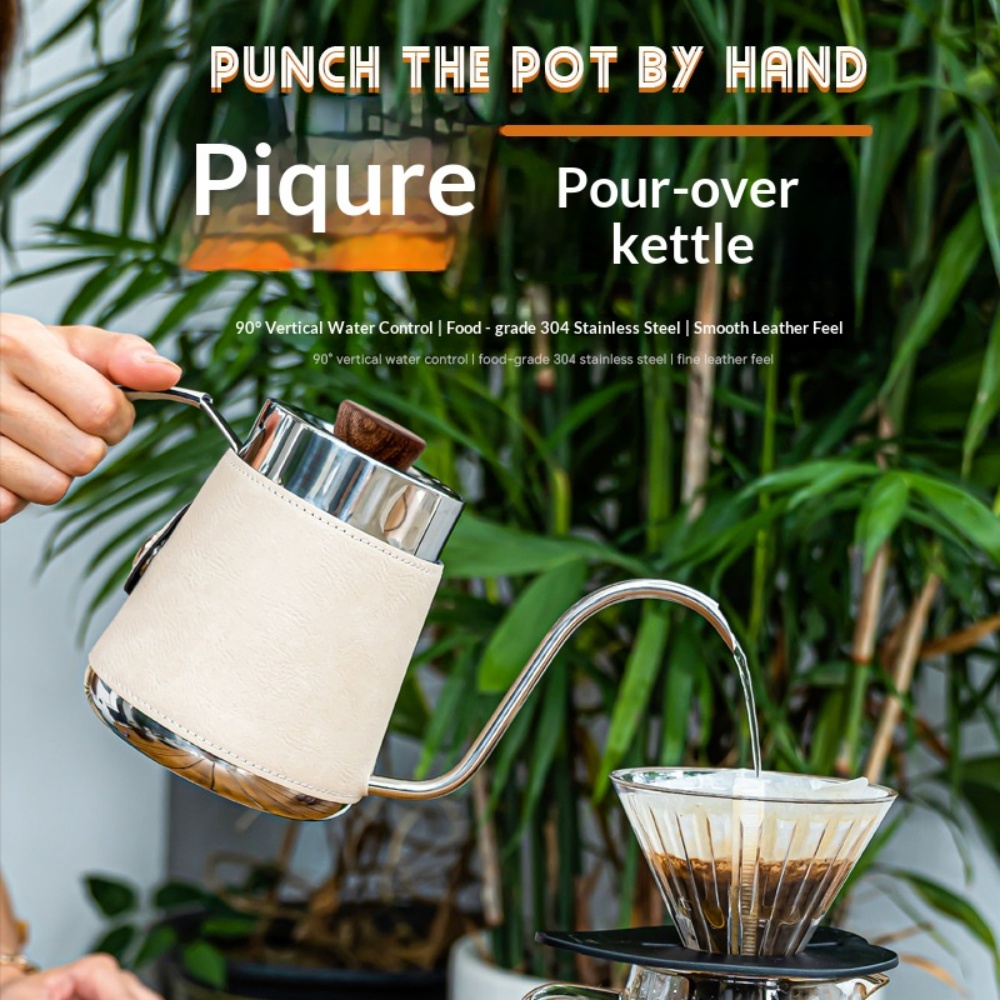
The best gooseneck kettles are made of stainless steel 鈥?they are durable, do not retain odors, and heat evenly. A 600ml capacity is ideal for personal use: it heats quickly, is not too heavy when full, and produces the perfect amount for one to two cups of pour-over.
Pre-ground coffee starts losing flavor within 15 to 30 minutes of being ground. A quality grinder is the single biggest upgrade you can make to improve taste 鈥?it matters more than the beans, more than the water temperature, and more than any technique tweak.
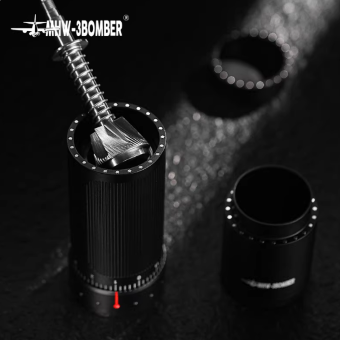
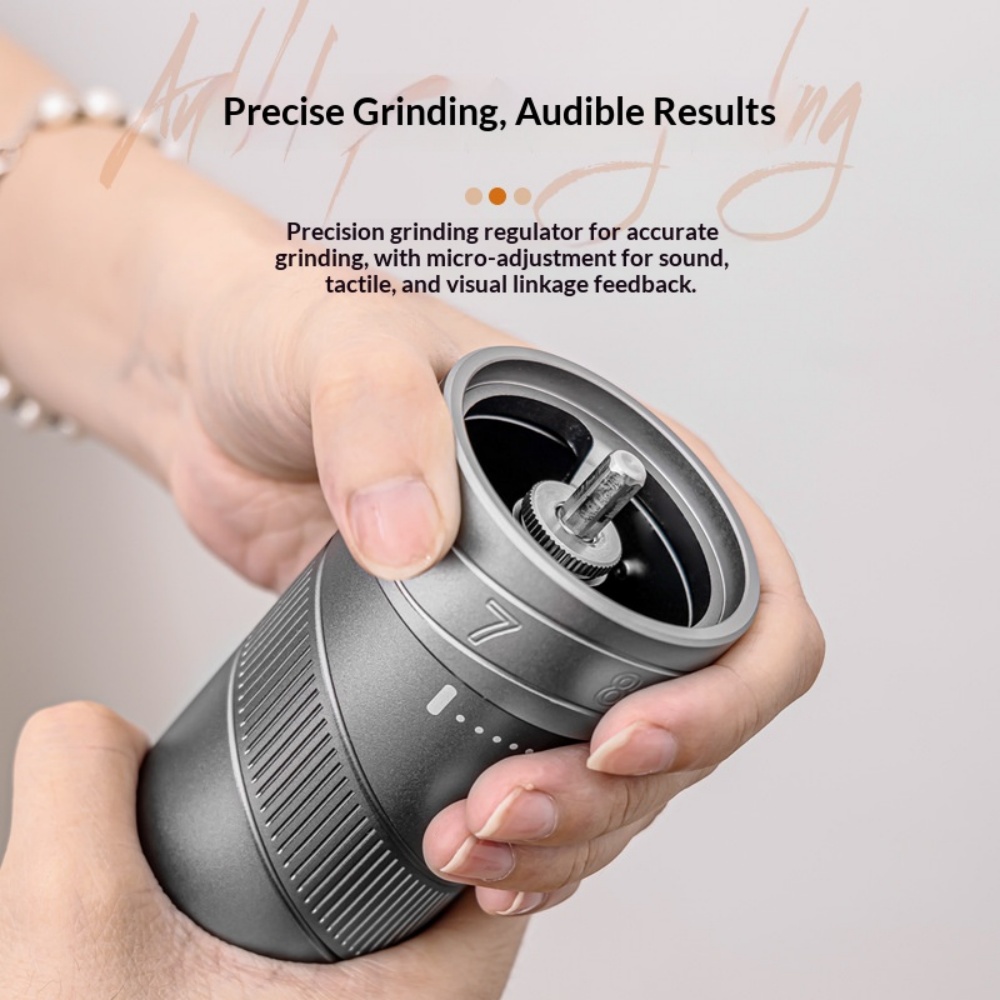
A portable hand coffee grinder with an external adjustment ring and built-in scale is the ideal entry point. Here is why this specific setup works so well:
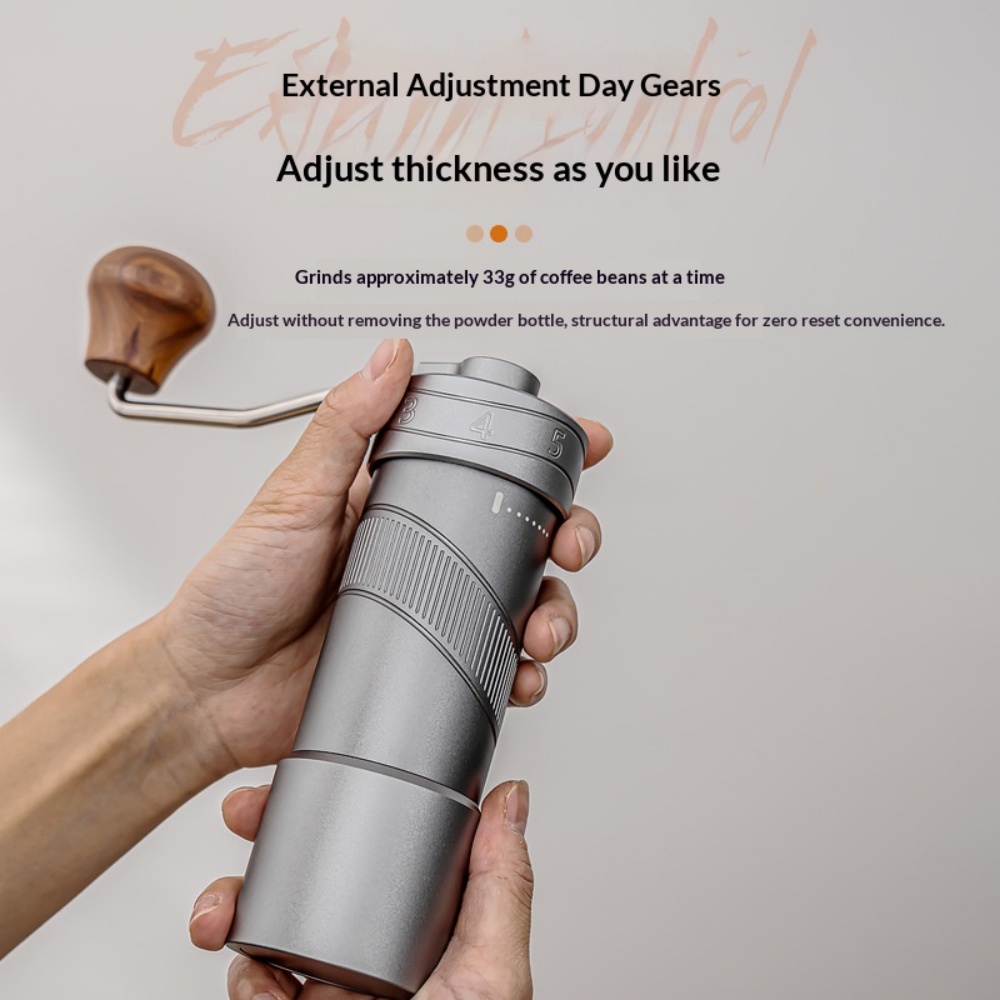
Hand grinders also have a practical advantage: they are silent. No morning noise disturbing the household. They are also fully portable 鈥?take them camping, to a hotel room, or to the office. A good hand grinder will last you decades with minimal maintenance.
Guesswork is the enemy of good coffee. When a barista at a specialty cafe makes your latte or pulls your espresso shot, they are working with precise ratios: a specific amount of coffee, a specific amount of water, in a specific time window. That is not snobbery 鈥?it is how you replicate a good result.
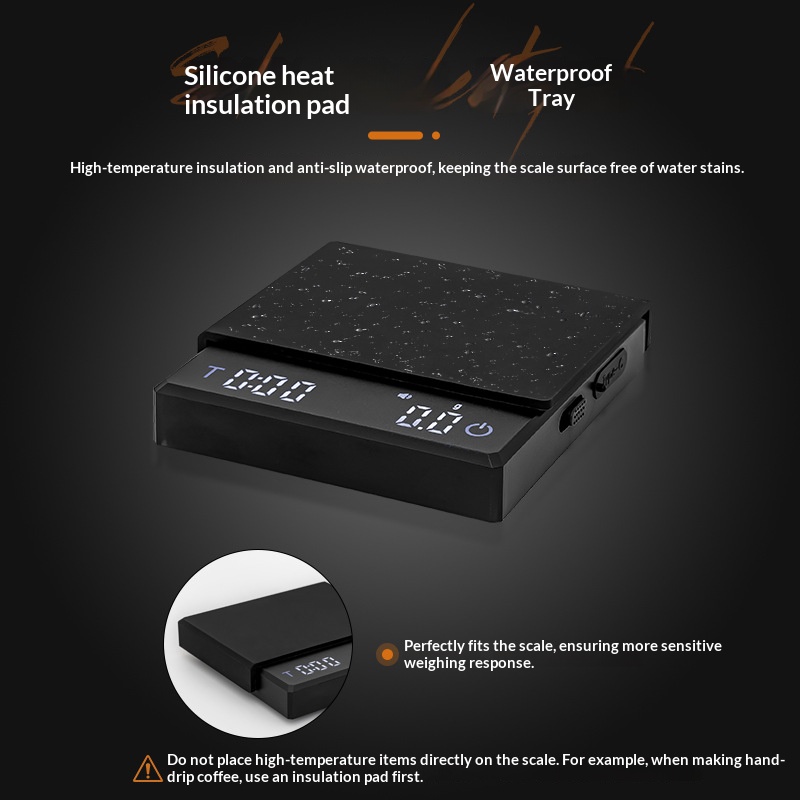
A compact digital coffee scale is the tool that brings that precision to your kitchen. The best brewing scales are designed for coffee specifically: they have a fast response time (so you can weigh as you pour), a built-in timer, and multiple weighing modes for different brew methods.
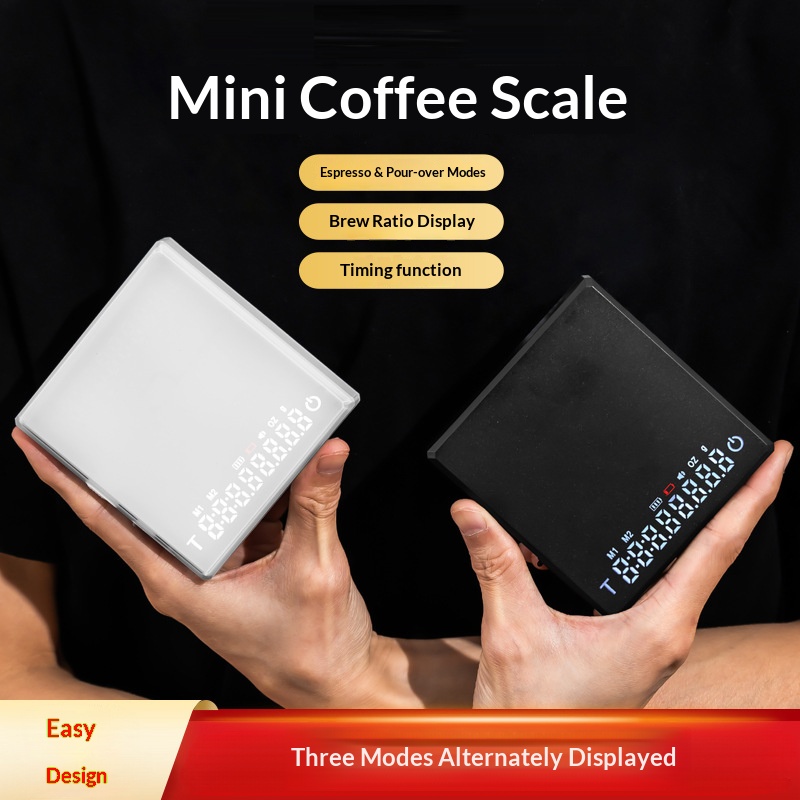
With a scale, you stop measuring by "a scoop" or "enough to fill the filter." You start measuring by ratio: 15 grams of coffee to 250 grams of water (a 1:16.7 ratio), for example. Once you find a ratio that tastes right, you can replicate it exactly every time.
The beauty of this setup is that the three tools complement each other perfectly:
This process takes about 5 minutes once you get the hang of it. The total cost? Around 160 dollars for all three tools 鈥?less than most people spend on coffee from cafes in a single month.
Here is a practical starting point:
And if you want to take it further, these tools also serve as the foundation for more advanced setups. A good grinder and kettle will work with an AeroPress, French press, siphon pot, or Moka pot. The scale is useful for any brewing method you choose.
You do not need a 1,000-dollar espresso machine to make great coffee at home. You need three tools that give you control over the variables that actually matter: grind freshness, water temperature, and brewing ratio. With a total investment of around 160 to 200 dollars, you can build a home coffee setup that consistently produces better results than most coffee shops.
The best time to start was yesterday. The second best time is right now.
For most people, a quality hand grinder produces better-tasting coffee because it generates less heat during grinding, which can affect flavor. Electric grinders are faster but often produce more fines (over-ground particles) that make espresso taste bitter. If you value taste over speed, a hand grinder is the better choice.
For standard drip coffee makers or French press, a regular kettle is fine. But for pour-over methods like V60 or Chemex, the gooseneck spout makes a significant difference in pour control. If you are only making pour-over coffee, the gooseneck kettle is essential. If you are splitting between methods, the gooseneck kettle is the more impactful upgrade.
Look for a scale that reads to 0.1 grams precision (the better scales do). The difference between 15.0g and 15.4g of coffee does affect the flavor of your brew. Also make sure the scale has a fast response time 鈥?some cheap scales lag when you are pouring water, making the weight reading inaccurate.
These tools are optimized for pour-over and filter coffee methods. For espresso, you would additionally need a proper espresso machine and a compatible grinder with finer adjustment. However, the hand grinder included here does work for AeroPress and Moka pot brewing, which produce stronger, more espresso-style drinks.
The ideal range is 92 to 96 degrees Celsius (198 to 205 Fahrenheit). Slightly darker roasts do well on the cooler end; lighter roasts extract better with water on the hotter end. This is where a gooseneck kettle with temperature control comes in handy 鈥?many models let you set and hold the exact temperature you want.