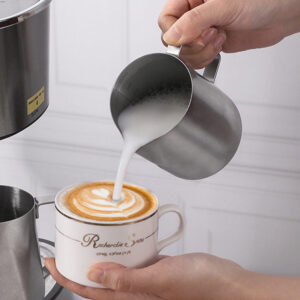

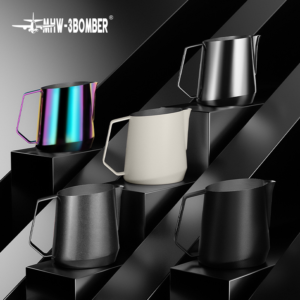
Mastering Competition Latte Art: MHW-3BOMBER GT Series Milk Frothing Pitcher Review
Pour competition-grade latte art with the MHW-3BOMBER GT Milk Frothing Pitcher. Precision hawk-bill spout, ergonomic grip & fluid vortex dynamics.
read more
Jul
If you have ever brewed coffee at home and thought it tasted vaguely disappointing compared to what you get at a good cafe, there is a good chance the problem is not your beans. It is your grinder — or rather, the absence of one.
The single biggest upgrade most home brewers can make has nothing to do with the coffee itself. It is the act of grinding your beans fresh, right before brewing. Everything else — water temperature, brew time, ratio — matters less than that one step. And the best part: you do not need an expensive electric grinder to do it. A decent hand grinder and a simple pour-over setup will take you further than most people expect.
Once coffee is ground, it begins losing flavor immediately. The surface area of ground coffee is enormous compared to whole beans, which means oxygen attacks it fast. Within 15 minutes of grinding, a meaningful portion of the aromatic compounds that make specialty coffee interesting have already degraded. Within an hour, you are tasting a shadow of what the beans could have delivered.
Pre-ground coffee from a bag — even an expensive one — is already partially stale by the time it reaches your cup. The coffee was likely ground weeks or months ago, packaged, shipped, shelved, and stored. The flavors you are tasting are the ones that survived that process.
When you grind fresh, you control the particle size and brew immediately. That immediacy is what you are tasting when a specialty cafe cup hits differently. The good news is you do not need a USD500 electric grinder to get there. A good hand grinder with ceramic burrs gets you to the same place, at a fraction of the cost.
Not all hand grinders are created equal. The difference between a cheap hand grinder and a good one is almost entirely in the burrs. Ceramic conical burrs — like those in the Manual Coffee Grinder and Filter Cup Set — crush coffee between two precision-machined surfaces. Blade grinders, by contrast, chop beans randomly, producing a mix of powder and boulders that extracts unevenly.
Ceramic burrs have a second advantage: they do not conduct heat. Metal burrs — even in electric grinders — generate friction heat during grinding, and that heat bakes some of the delicate aromatic compounds out of your beans before you even brew them. Ceramic stays cool, which means more of the good stuff makes it into your cup.
Adjustable grind settings let you dial in exactly the coarseness your brewing method needs. Coarse for French press, medium for pour-over, fine for espresso-style brews. Once you find your setting, the adjustment nut holds it. Come back a week later and you are right back where you were.
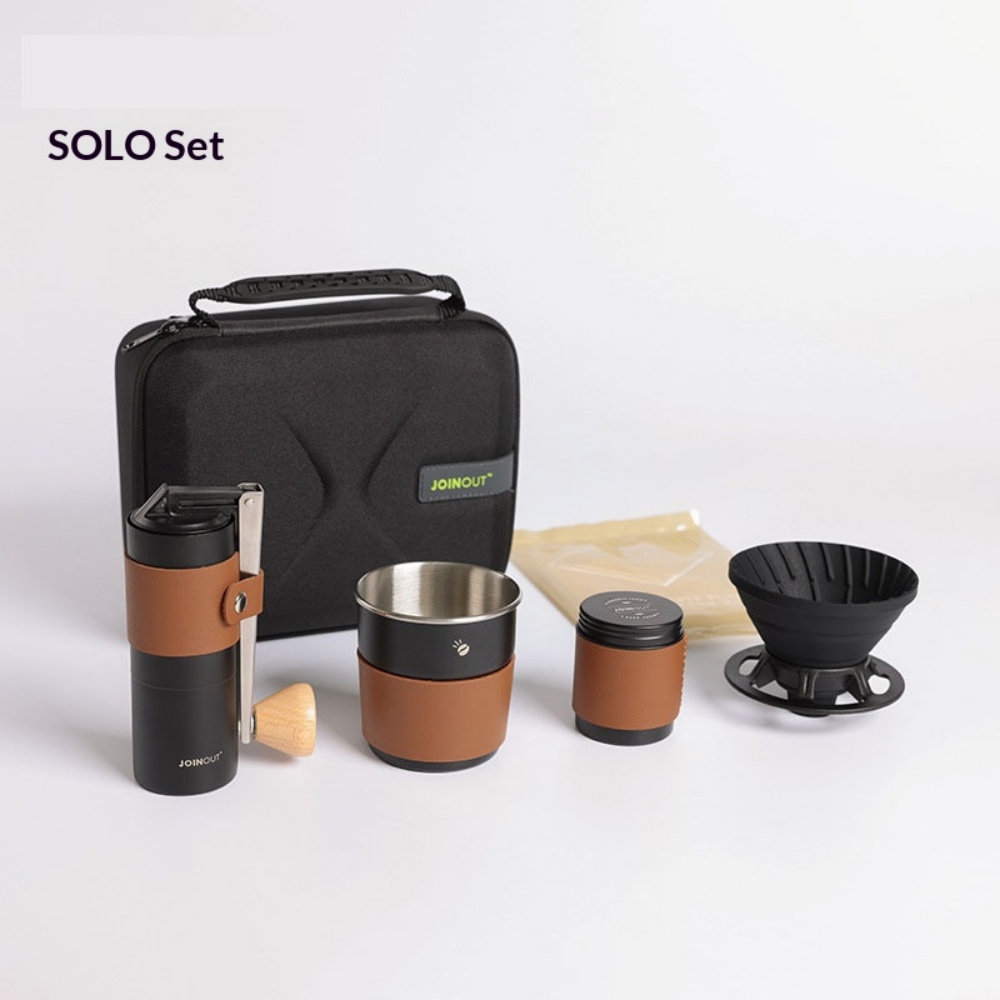
Paper filters are one of the most wasteful consumables in home brewing. The average daily coffee drinker goes through roughly 700 paper filters per year. Beyond the environmental cost, there is a flavor argument for going metal.
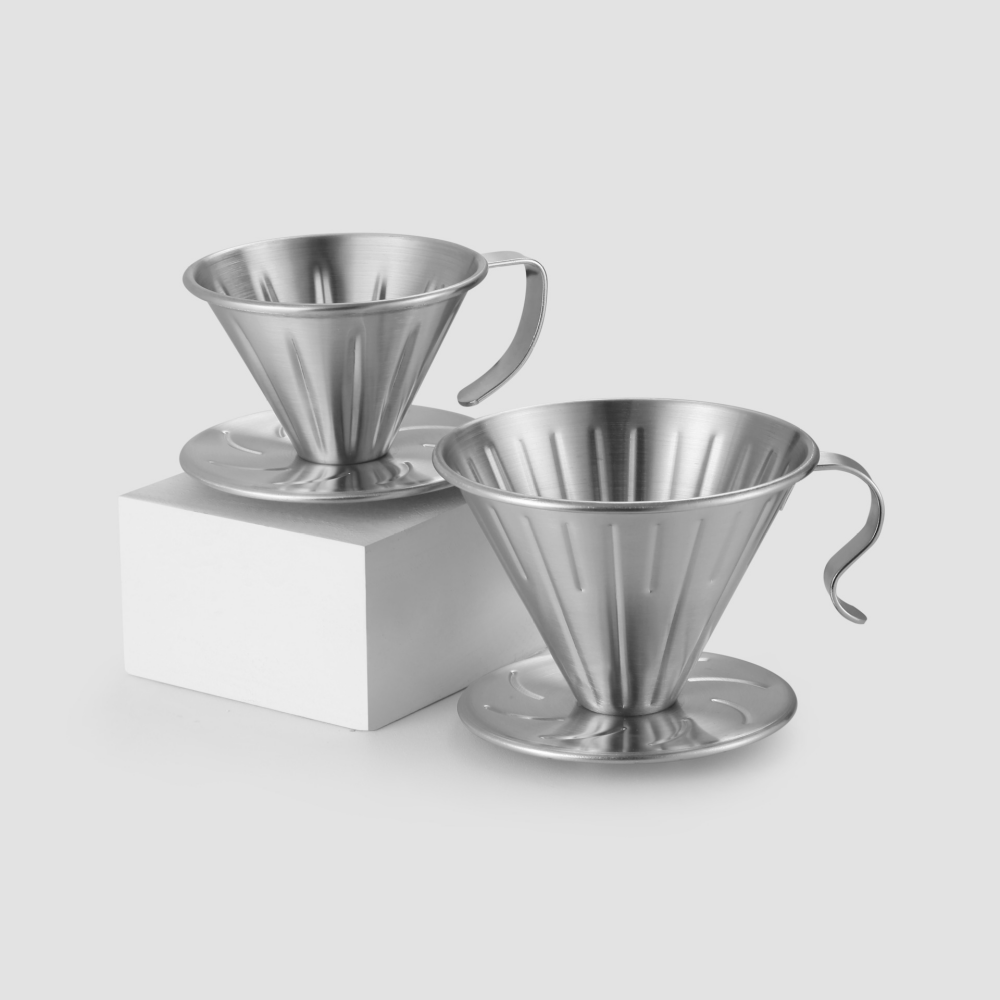
Paper filters strip out the natural oils that sit on top of a coffee's surface — the compounds responsible for that rich, almost creamy mouthfeel. Metal filters, like the Stainless Steel Pour-Over Dripper, let those oils through. The result is a fuller-bodied cup with more depth of flavor. You are tasting the whole bean, not a filtered version of it.
Metal drippers are also a one-time purchase. The math is straightforward: at a few dollars per pack of 100 filters, you have already spent more than the cost of a reusable metal dripper within a few months. After that, the dripper keeps paying you back in every brew. It is also more consistent — no variation between batches of paper, no accidental tears, no papery taste from a fresh filter on a light roast.
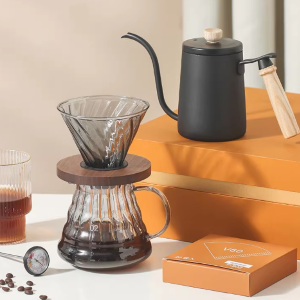
The cone shape of a standard pour-over dripper promotes the ideal flow rate for balanced extraction. Water sits with the grounds just long enough to pull the flavors, then drains cleanly. It is a forgiving brewing method — unlike espresso, which punishes small errors, pour-over is forgiving and educational. You can feel what changing a variable does to the cup.
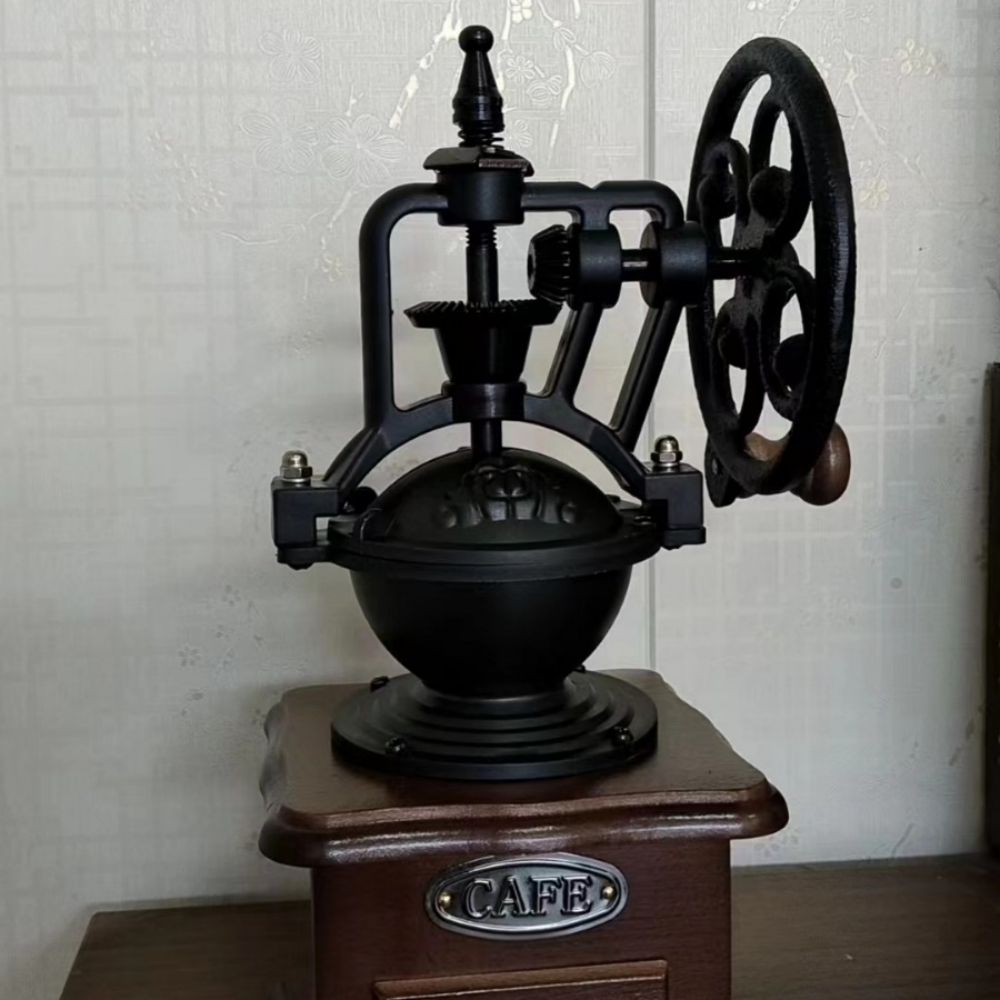
If you are thinking about making hand grinding a daily habit, consider the Retro Manual Coffee Grinder with ceramic burrs. The cast iron body gives it enough weight to stay stable on the counter while you are cranking. The wooden hopper looks genuinely good — it is the kind of object you do not want to put away, so it stays on the counter where you will actually use it.
The 25-gram capacity is perfectly sized for one to two cups. It is not trying to grind for a whole office; it is designed for the person who wants two good cups in the morning. And because it is entirely manual, it works anywhere — on a camp stove, in a hotel room, at a friend's house. No power outlet required. No noise. No compromise.
With a hand grinder and pour-over dripper, the workflow is simple enough to become routine:
Grinding too fine: Hand grinders are slower than electric ones, and there is a temptation to compensate by grinding finer to get more extraction. Resist this. For pour-over, medium-coarse is the starting point. Finer grounds slow the drain and over-extract, producing bitterness.
Skipping the bloom: The 30-second bloom is not a ceremony — it is functional. Fresh coffee degasses for a minute or two after grinding. If you pour all the water at once, the gases interfere with water-coffee contact and you get uneven extraction.
Using water that is too hot: Boiling water (100C) is too hot for most coffees, especially lighter roasts. It extracts bitter compounds before the sweet and acidic notes have a chance to come through. Let the water rest for 30 seconds off the boil, or use a thermometer. 93-94C is the sweet spot for most pour-over.
Storing beans in the fridge: The fridge is humid and full of food odors. Coffee beans absorb moisture and odors. Keep beans in an airtight container at room temperature, away from direct light. Whole beans stay fresh longer than ground — another argument for grinding fresh.
You do not need to buy everything at once. The most logical starting point is a good hand grinder — you can use it with any brewing method. Once you have that, add a pour-over dripper. A digital scale is a nice addition (consistency in ratios matters), but it is not required for a first setup.
Both the Manual Coffee Grinder and Filter Cup Set and the Retro Manual Coffee Grinder are strong choices. The set is ideal if you want everything in one package to get started immediately. The retro grinder is the better long-term piece if you already have a filter cup or want something that looks good enough to stay on display.
The Stainless Steel Pour-Over Dripper pairs with either of them and eliminates your ongoing paper filter cost while delivering a better-flavored cup.
For a single serving (15-20g of beans), most hand grinders take 30 seconds to a minute of cranking. It becomes surprisingly meditative once you get into a rhythm — many people find it a nice way to start the morning ritual.
Yes, with ceramic conical burrs you can reach espresso-fine settings. It takes more effort than a coarse grind, but it is doable. The trade-off is that espresso requires very consistent fine particles, which is where electric grinders with flat or conical steel burrs have an advantage for high-volume use.
For daily cleaning, brush out the grounds with a small brush. Every few weeks, run a few tablespoons of uncooked rice through the grinder on the finest setting to absorb oils and residual grounds, then brush again. Do not use water on the burr assembly — moisture can affect the bearing.
No. If anything, metal drippers are more forgiving. There is no filter paper to fold incorrectly, tear, or run out of. The only difference is that you rinse the dripper between uses rather than throwing away a filter. For cleanup, a quick rinse under hot water is usually sufficient.
Start at medium-coarse — similar to the texture of raw sugar. If your brew drains too slowly (taking more than 4 minutes total), grind coarser. If it drains too fast and tastes weak or sour, grind finer. Adjust in small increments until the flavor matches what you enjoy.
Not strictly, but it helps with consistency. If you are eyeballing it, use roughly 2 tablespoons of ground coffee per 250ml of water as a starting point, then adjust to taste. A simple kitchen scale that measures in grams is a worthwhile investment if you want repeatable results.
The gap between a good cup and a mediocre one is mostly determined by two factors: freshness of grind and quality of brewing method. A hand grinder and a metal pour-over dripper address both of those at a combined cost that is less than what most people spend on electric alternatives they do not need.
Start with one grinder. Once it becomes part of your routine — once you taste what fresh-ground coffee actually tastes like — you will understand why people who start hand grinding never go back.