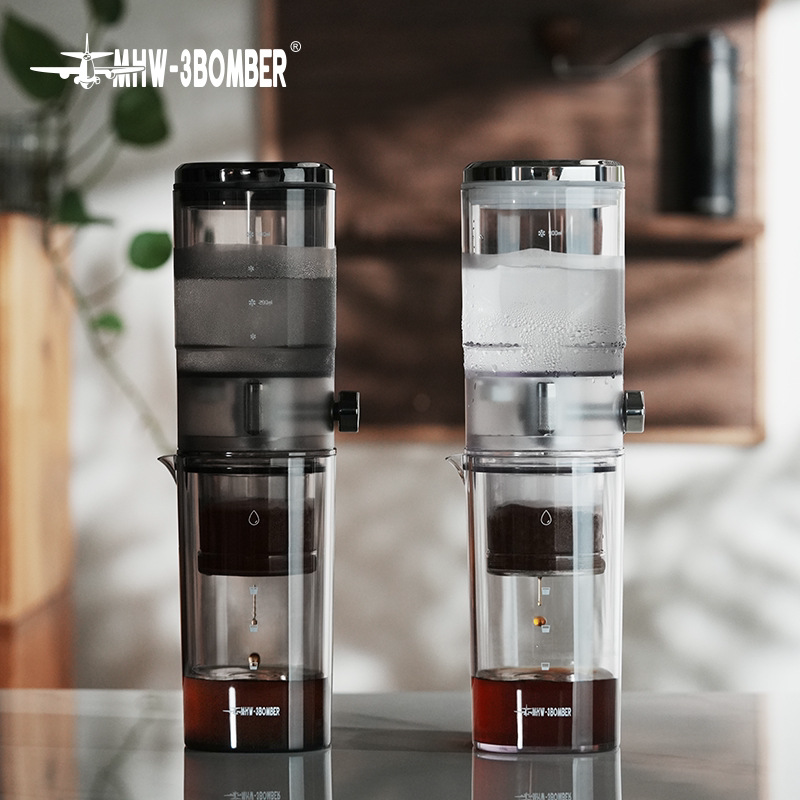
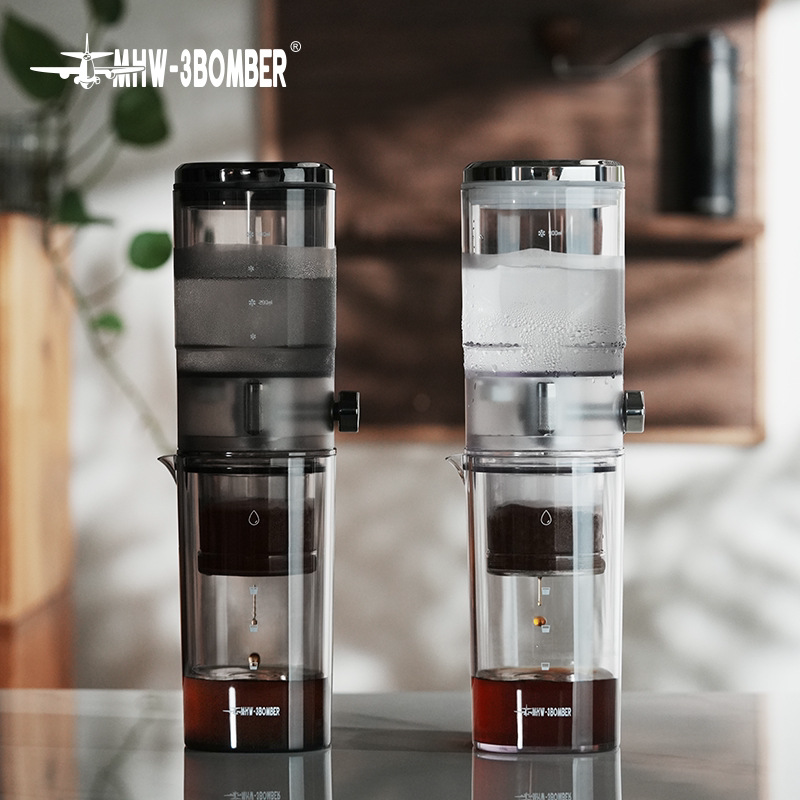
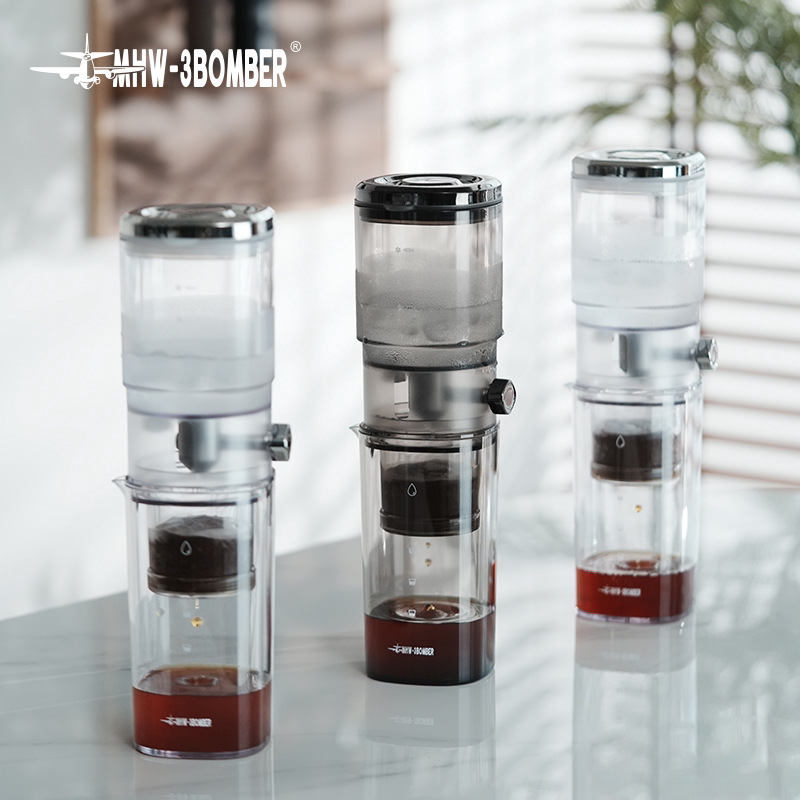
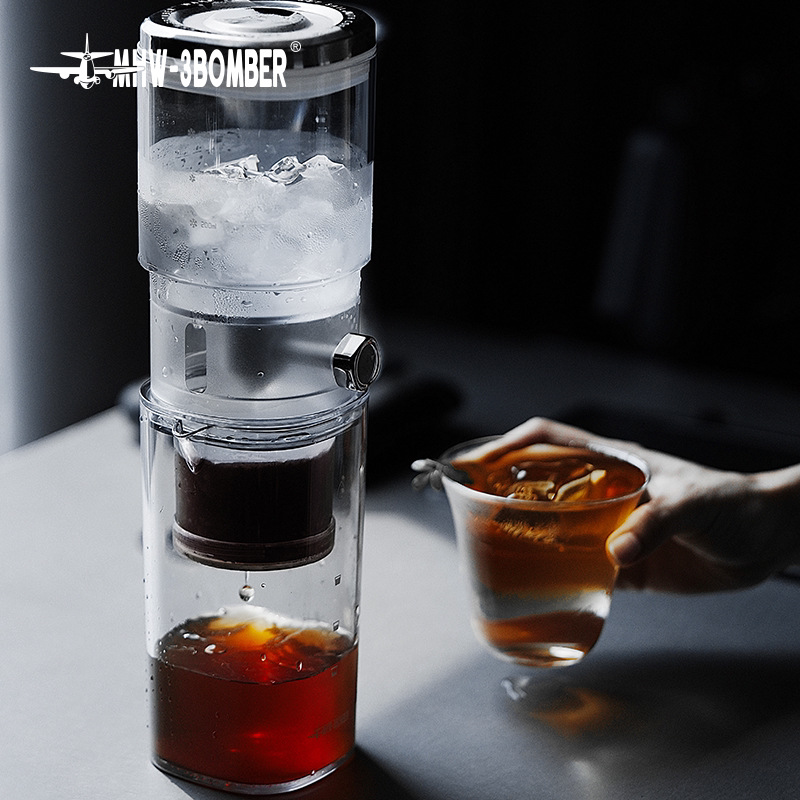
While immersion cold brew is convenient, it often produces a flat, oxidized, and muddy concentrate that masks single-origin nuances. If you crave intense aromatic sweetness, sparkling wine-like clarity, and a thick, velvety body with almost zero bitterness, the Dutch Slow Ice Drip Coffee Maker (Kyoto Drip Tower) is the pinnacle of cold coffee craft. By slowly passing ice-cold droplets through a calibrated bed of specialty coffee over several hours, this time-honored apparatus unlocks flavor profiles that hot extraction simply cannot replicate.
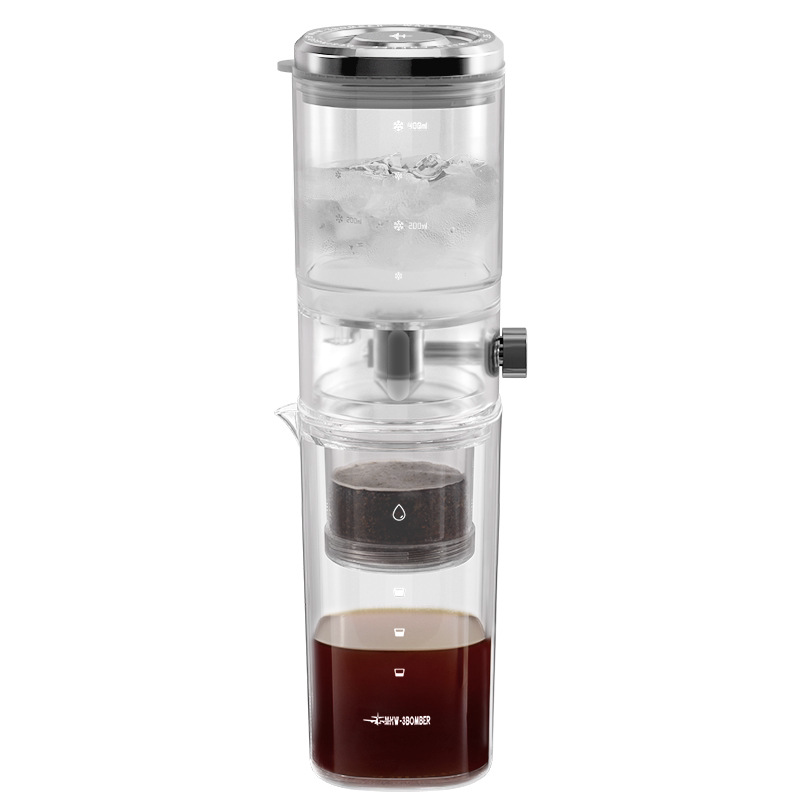
The Dutch Ice Drip Tower: Laboratory-grade borosilicate glass paired with precision drip mechanics.
1. Immersion Cold Brew vs. Slow Ice Drip: The Science
In standard immersion cold brew, coffee grounds steep submerged in room-temperature water for 12 to 24 hours. Over this extended duration, water reaches saturation, leading to over-extraction of bitter tannins and oxidative loss of volatile aromatics.
Slow Ice Drip (Dutch/Kyoto Drip) is a continuous percolation method. Fresh ice-water melts drop by drop at near-freezing temperatures (0°C–4°C):
Solubility Optimization: Low temperatures prevent chlorogenic acids from breaking down into quinic and caffeic acids, eliminating harsh astringency.
Layered Flavor Retention: Delicate floral terpenes and fruit esters dissolve cleanly into the passing droplets without thermal degradation.
Viscous, Syrupy Body: Produces a liqueur-like consistency that ages gracefully in the refrigerator for up to two weeks, developing complex fermented notes.
Micro-metering brass/stainless needle valve enables pinpoint control of 1 drop every 1 to 2 seconds.
2. Surgical Flow Control with the Precision Needle Valve
The beating heart of any slow-drip tower is its flow control valve. Inferior plastic petcocks frequently jam or change speed as water pressure in the upper chamber drops.
This appliance features a precision-machined needle valve that maintains consistent flow geometry from full tank to the final drop. Baristas can easily dial in the classic standard of 1 drop every 1 to 1.5 seconds (40–45 drops per minute), achieving a balanced 3-to-5 hour extraction cycle without manual supervision.
High-borosilicate glass chambers with round paper filter discs ensure uniform percolation throughout the coffee bed.
3. Lab-Grade High-Borosilicate Glass Construction
Every component touching your brew is engineered from crystal-clear heat-resistant borosilicate glass:
Zero Odor Adsorption: Unlike plastic carafes that absorb rancid coffee oils, non-porous glass cleans completely with warm water.
Serpentine Cooling Tube: The spiral glass pathway aerates each droplet as it descends, maximizing oxygen contact before collecting in the bottom decanter.
Aesthetic Centerpiece: Watching rhythmic ice droplets descend through the spiral column turns brewing into a captivating visual ritual for home kitchens and specialty cafe counters.
Simple 4-step workflow: Dose ground coffee, place top filter disc, add ice-water slurry, and set drip valve.
4. Step-by-Step Recipe for Cold Brew Perfection
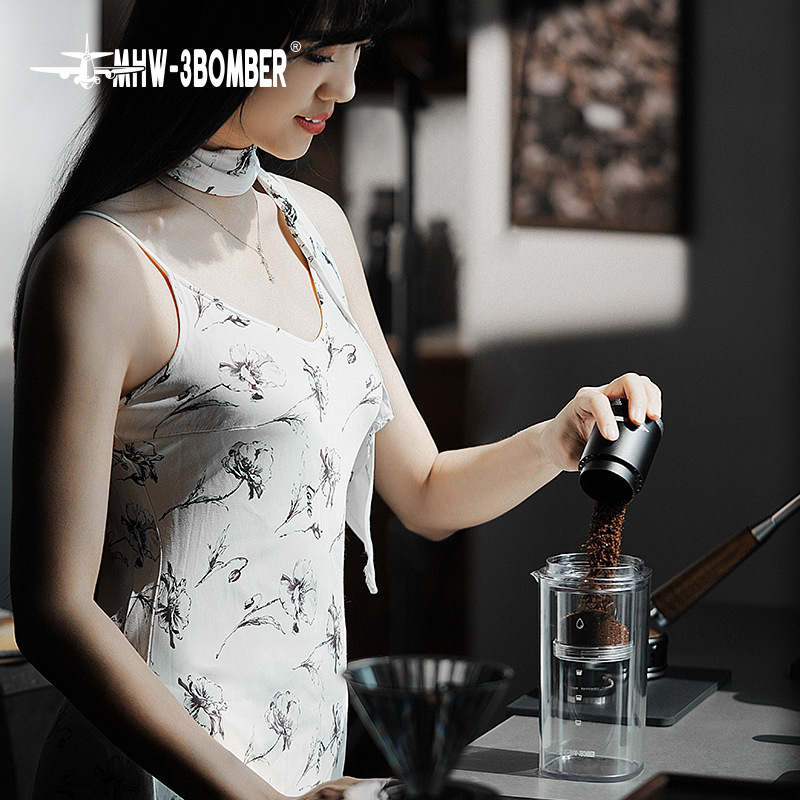
Coffee Dose: Grind 40g–50g of medium-coarse specialty coffee (similar to sea salt). Pour into the middle glass chamber and level gently.
Paper Filter Disc: Place a circular paper filter on top of the grounds to ensure water droplets disperse evenly across the entire surface.
Pre-Moistening: Add 20ml of cold water to pre-wet the grounds and initiate capillary saturation.
Ice Slurry: Fill the top chamber with a 50/50 mixture of clear ice cubes and chilled filtered water (approx. 400ml–500ml).
Calibrate Drip: Adjust the valve to 1 drop every 1 to 1.5 seconds. Sit back and let extraction unfold over 3 to 4 hours.
Serve chilled over a single clear ice sphere or dilute with sparkling water for an artisan cold brew tonic.
5. Verdict: The Ultimate Summer Brewing Ritual
Priced at $139, the Dutch Ice Drip Coffee Maker combines breathtaking tabletop elegance with laboratory extraction fidelity, making it a must-have appliance for serious cold brew lovers.
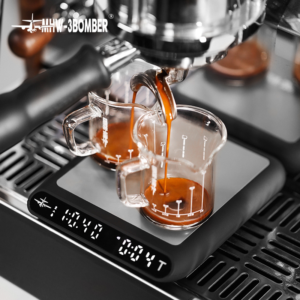
Take command of espresso and pour-over brewing with the MHW-3BOMBER Formula Smart Coffee Scale. Featuring 0.1g precision, auto-timer, flow-rate tracking,...